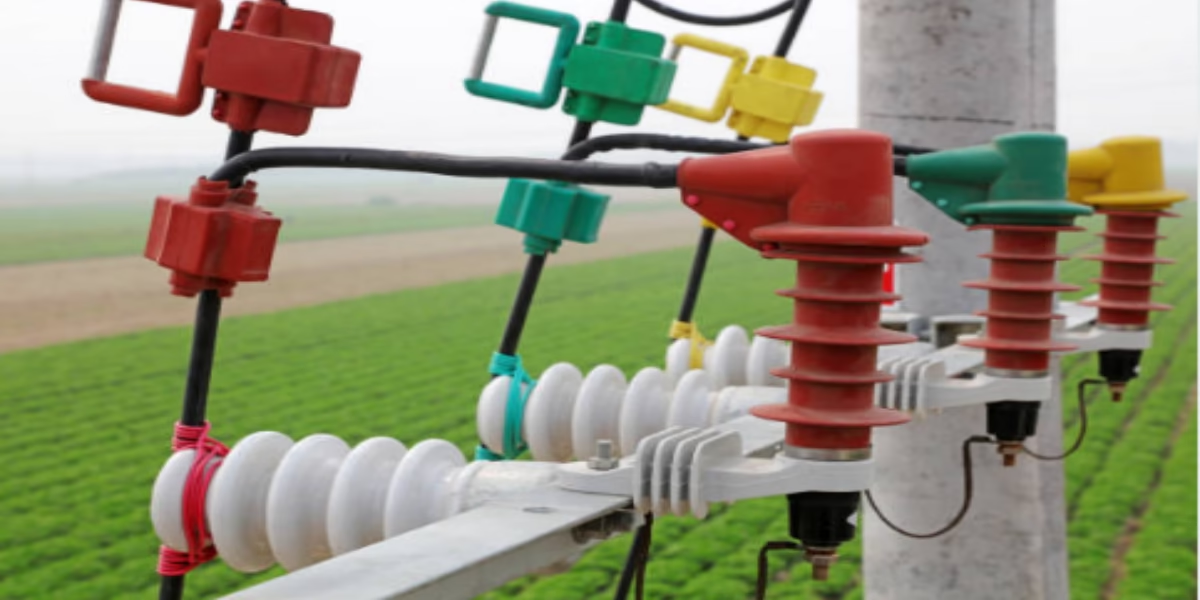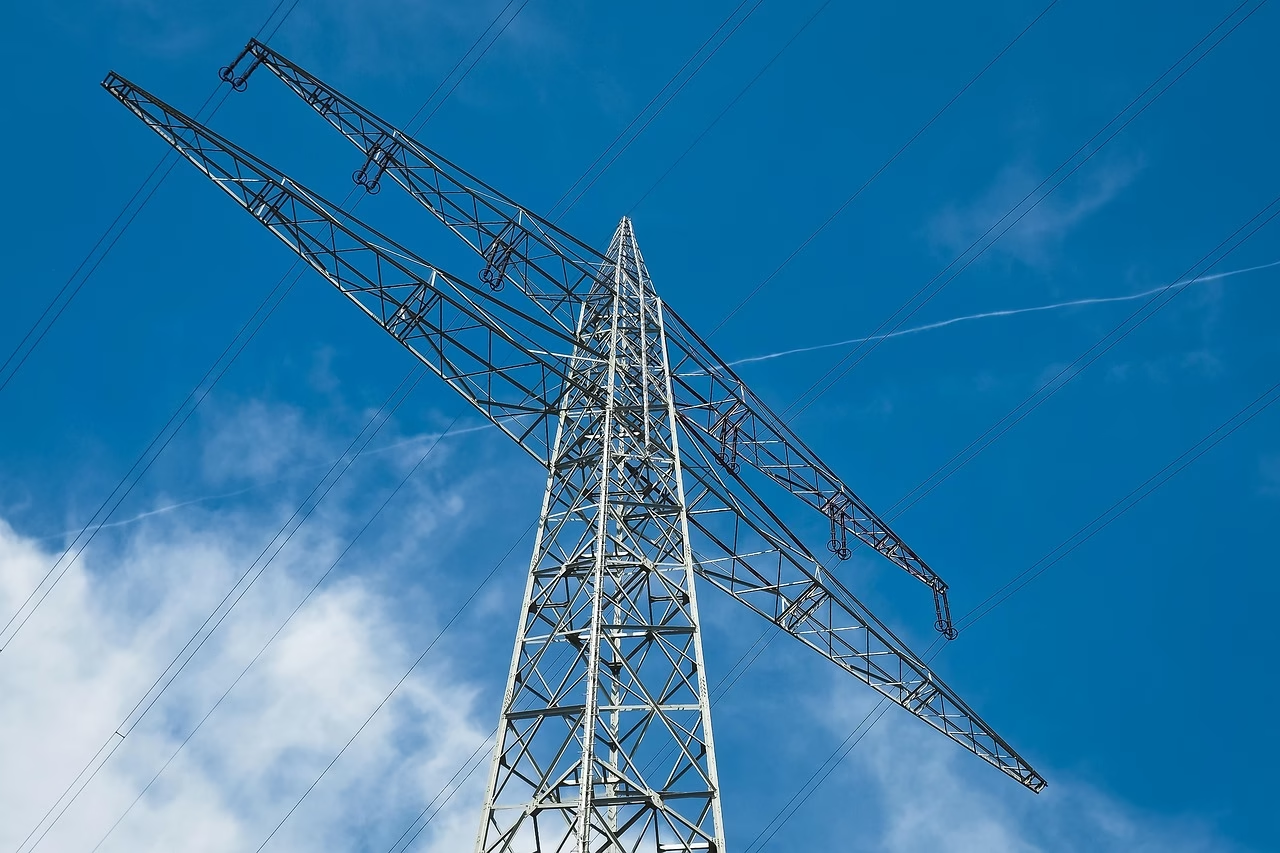
In an age where innovation meets sustainability, the world of electrical infrastructure is undergoing a transformative shift, with polymer insulators taking center stage in the quest for efficient, durable, and eco-kind solutions. As the backbone of electrical distribution systems, thes insulators play a critical role in ensuring reliability and safety across power transmission networks. This article embarks on a comprehensive exploration of today's polymer insulator manufacturers, examining their cutting-edge technologies, evolving manufacturing practices, and the dynamic market landscape. From the intricate designs that enhance performance to the enduring materials that reduce environmental impact, we delve into how these manufacturers are shaping the future of electrical engineering and infrastructure. Join us as we navigate the innovative developments and key players in this vital sector, uncovering the nuances of a field poised for growth amidst the challenges of an ever-evolving energy landscape.
Table of Contents
- Emerging trends Shaping the Polymer Insulator Industry
- Key Players and Innovations Driving Market Growth
- Sustainability Practices Among Leading Manufacturers
- future Directions: Navigating challenges and Opportunities
- Q&A
- To Wrap It Up
Emerging Trends Shaping the Polymer Insulator industry
The polymer insulator industry is undergoing meaningful transformations, influenced by various factors that reflect advances in technology and shifts in market dynamics. One notable trend is the increase in demand for lightweight and high-performance materials, which are crucial for enhancing the efficiency of electrical distribution networks. Manufacturers are innovating new formulations of polymers that not only withstand extreme weather conditions but also offer superior electrical insulation properties. Additionally, the growing emphasis on sustainability is driving the development of eco-friendly polymers, leading to a reduction in carbon footprints and promoting circular economy principles within the industry.
Furthermore,the adoption of smart technologies is reshaping production processes and insulator designs. Incorporating sensors in polymer insulators allows for real-time data collection regarding environmental conditions and performance metrics, enhancing predictive maintenance strategies. As utilities adopt Internet of Things (IoT) solutions, the integration of these intelligent features in insulators is expected to become mainstream. This trend is also supported by a strong push towards digital transformation, which streamlines manufacturing processes and reduces waste. these emerging trends are paving the way for a more resilient and efficient polymer insulator sector.
Key Players and Innovations Driving Market Growth
In the dynamic landscape of polymer insulator manufacturing, several key players are profoundly influencing market trends through their innovative approaches and cutting-edge technologies. Companies like Siemens, GE, and 3M have been at the forefront, investing substantially in research and development to enhance the performance and durability of polymer insulators. These manufacturers are focused on integrating smart technologies, which allow for remote monitoring and predictive maintenance, ultimately reducing downtime and increasing the reliability of electrical networks.
Furthermore, innovations such as hydrophobic coatings, advanced reinforced materials, and sustainable production techniques are reshaping the industry. The adoption of new materials,including silicone rubber and thermoplastic elastomers,has led to insulators with superior mechanical properties and environmental resistance. Below is a comparison of some of the most prominent innovations being implemented by leading manufacturers:
| Manufacturer | Innovation | Benefit |
|---|---|---|
| Siemens | Smart Monitoring Systems | Enhanced Reliability |
| GE | Hydrophobic Coatings | Improved Weather Resistance |
| 3M | Sustainable Material Use | Reduced Environmental Impact |
Sustainability Practices Among Leading Manufacturers
In an era where environmental concerns are at the forefront, leading polymer insulator manufacturers are stepping up their sustainability initiatives. These companies are not only focusing on performance and cost-efficiency but also on reducing their ecological footprints through innovative practices. Among the key strategies implemented are:
- Recycling initiatives: Several manufacturers are adopting closed-loop systems to recycle waste materials back into production.
- energy-efficient production: Utilizing renewable energy sources and optimizing manufacturing processes to minimize energy consumption.
- Green materials: Exploring bio-based polymers and sustainable alternatives to traditional materials in product development.
- Water management: Implementing water conservation measures and advanced filtration systems to ensure minimal water wastage.
Moreover, manny of these manufacturers are collaborating with environmental organizations to promote ecological awareness and responsible usage of their products. They are also committed to transparency, frequently publishing sustainability reports that highlight their progress and areas for advancement. The following table summarizes the sustainability goals of various manufacturers:
| Manufacturer | Sustainability Goal | Target Year |
|---|---|---|
| InsulatorTech | 100% renewable energy in production | 2025 |
| Eco-Polymer Corp | Zero waste to landfill | 2030 |
| GreenShield Industries | 50% recycled content in products | 2028 |
Future Directions: Navigating Challenges and Opportunities
The landscape of polymer insulator manufacturing is evolving rapidly, posing both challenges and avenues for innovation. As the demand for high-performance materials increases, manufacturers must navigate a variety of obstacles, including strict regulatory standards and the pressure to integrate sustainable practices. Addressing these challenges requires a commitment to research and development, enabling companies to enhance product performance while also reducing environmental impact. By focusing on emerging technologies such as smart materials and advanced composites,manufacturers can remain competitive in a crowded market.
Simultaneously, this dynamic habitat presents a wealth of opportunities for growth and collaboration. Key strategies for success may include:
- Investing in Automation: Enhancing production efficiency through advanced manufacturing technologies.
- Forming Strategic Partnerships: Collaborating with research institutions for innovative solutions.
- Diversifying Product Offerings: Expanding into new sectors such as renewable energy and electric vehicles.
To illustrate the current trends and projections in the polymer insulator market, consider the following table:
| Trend | Impact |
|---|---|
| Increased Use of Eco-friendly Materials | Reduction in carbon footprint and alignment with global sustainability goals |
| Adoption of smart Insulation Technology | Enhanced monitoring capabilities leading to improved reliability |
| Growth in Global Energy Demand | Increased opportunities for insulator applications in infrastructure projects |
Q&A
exploring the World of Polymer Insulator Manufacturers Today: Q&A
Q1: What are polymer insulators, and why are they important in the electrical industry?
A1: Polymer insulators are electrical devices made from non-ceramic materials, specifically engineered polymers that provide insulation in high-voltage power systems. They are crucial for ensuring safety and reliability in electrical transmission and distribution networks. Unlike traditional ceramic insulators, polymer insulators offer benefits such as lighter weight, increased resistance to mechanical stress, and superior hydrophobic properties, which help reduce the risk of failures in challenging environmental conditions.
Q2: How has the market for polymer insulator manufacturers evolved in recent years?
A2: The market for polymer insulator manufacturers has experienced significant growth due to the increasing demand for efficient and reliable power transmission systems. Innovations in materials and manufacturing technologies have improved performance and longevity.Additionally, the global shift towards renewable energy sources, such as wind and solar power, has escalated the need for robust insulation solutions that can withstand various environmental challenges, ultimately driving market expansion.
Q3: What are some key factors influencing the choice of polymer insulator manufacturers?
A3: Several factors influence the choice of polymer insulator manufacturers, including product quality, adherence to industry standards, reputation in the market, and technological advancements. manufacturers that offer comprehensive testing and validation processes, provide excellent customer support, and showcase a history of successful projects tend to be favored. Furthermore,environmental considerations and sustainability practices are becoming increasingly important in the decision-making process for many utilities and contractors.
Q4: How do manufacturers ensure the quality and reliability of polymer insulators?
A4: Manufacturers ensure the quality and reliability of polymer insulators through rigorous research and development, alongside established manufacturing protocols. This includes extensive material testing, electrical and mechanical performance assessments, and adherence to international standards such as IEC and IEEE. Many manufacturers also implement continuous monitoring during production and offer warranties as a testament to their confidence in product performance.
Q5: What challenges do polymer insulator manufacturers face in today’s market?
A5: Polymer insulator manufacturers face several challenges, including the need to stay ahead of technological advancements and compete with traditional ceramic insulators, which are deeply entrenched in the market. Additionally, fluctuations in raw material prices can impact production costs. Environmental regulations related to production and disposal of materials also pose challenges, as manufacturers must find sustainable practices to mitigate their ecological footprint.
Q6: Can you discuss any recent innovations within the polymer insulator manufacturing sector?
A6: Recent innovations in the polymer insulator manufacturing sector include the development of nanocomposite materials that enhance electrical and thermal performance while maintaining lightweight properties. additionally, improvements in hydrophobic treatments have led to insulators that can withstand severe weather conditions and contaminants more effectively. Smart technology integration, such as sensors that monitor the health of insulators in real-time, is also on the rise, allowing for predictive maintenance and longevity of assets.
Q7: What does the future hold for polymer insulator manufacturers?
A7: The future for polymer insulator manufacturers looks promising, with an increasing emphasis on smart grid technologies and the expansion of renewable energy sources. As the demand for efficient, reliable, and sustainable electrical infrastructure grows, manufacturers that prioritize innovation and sustainability will likely thrive. strengthening partnerships with utilities and participating in the global shift toward environmentally friendly practices will also play a vital role in their success.
Q8: How can stakeholders engage with polymer insulator manufacturers to foster collaboration?
A8: stakeholders can engage with polymer insulator manufacturers by initiating dialogues on project requirements and challenges, thus fostering clear communication that leads to tailored solutions. Collaborating on research and development projects,sharing insights regarding field performance,and participating in industry conferences can also create avenues for innovation. Establishing long-term relationships based on trust and shared goals will ultimately benefit both manufacturers and stakeholders in this evolving landscape.
To Wrap It Up
As we conclude our journey through the intricate landscape of polymer insulator manufacturers, it becomes clear that the evolution of this essential component is not merely a tale of innovation; it is a reflection of our commitment to a sustainable and reliable future. The advancements in materials,design,and manufacturing processes underscore the industry's dedication to enhancing electrical infrastructure while minimizing environmental impact. As we explore these developments, we invite you to consider the pivotal role that polymer insulators play in shaping the transmission and distribution of electrical energy worldwide. In an era defined by change and challenge, the manufacturers are not just adapting; they are leading the charge towards a brighter, more efficient tommorow. We hope this exploration has sparked your curiosity and admiration for the unsung heroes of the electrical world—innovators quietly reshaping our connection to energy. Thank you for joining us on this insightful expedition.